Thanksgiving Cooking Fire Safety: Stay in the Kitchen
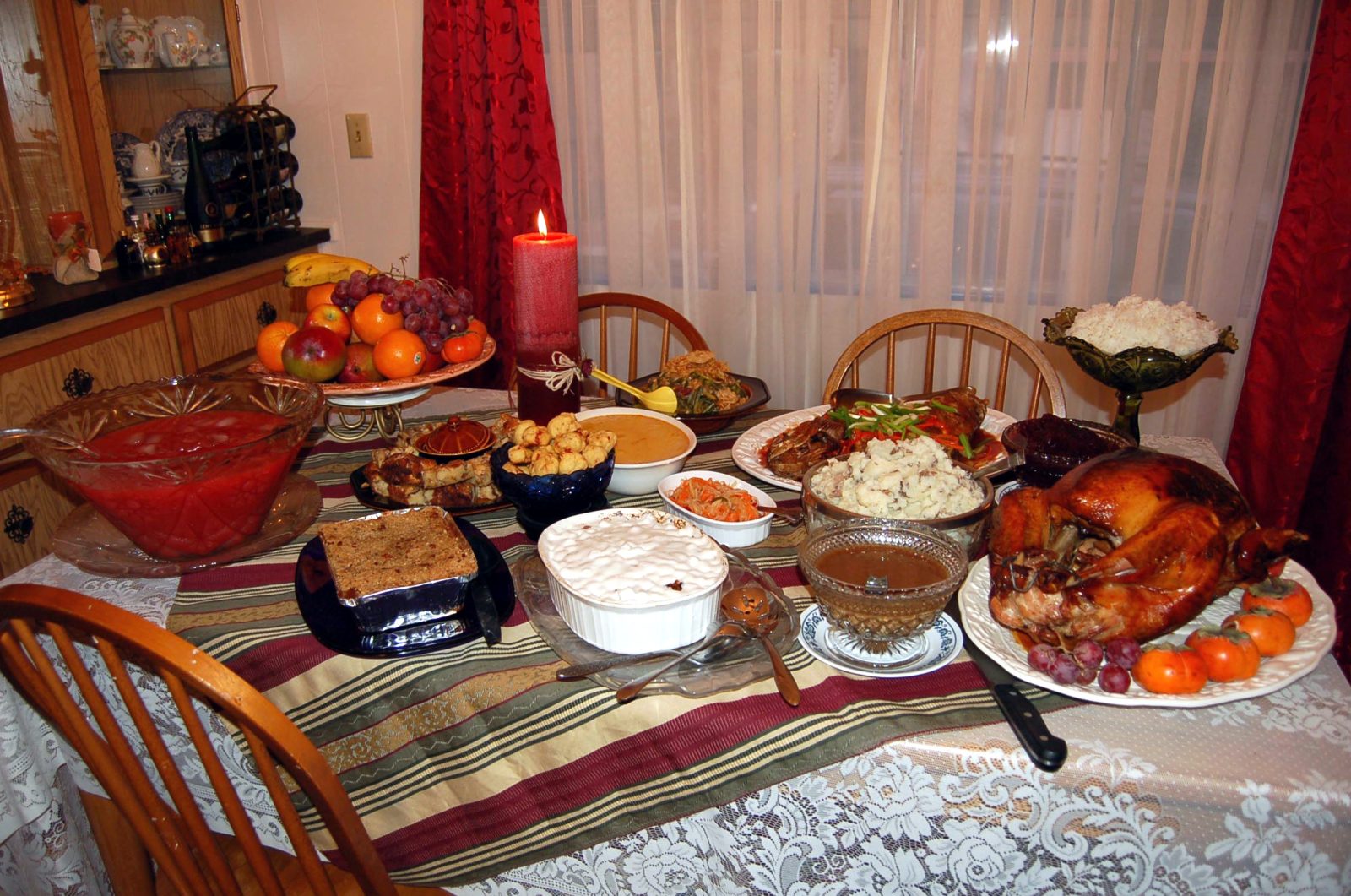
Direct answer: Thanksgiving is the peak day for home cooking fires, and the leading factor is unattended cooking. The U.S. Fire Administration (USFA) counts the average number of home fires on Thanksgiving Day at normally double the average for other days, and the National Fire Protection Association counts cooking fires specifically at three times any other day of the year. The fix is mostly attention: stay in the kitchen while food is cooking, keep a lid handy to smother a pan fire, and never use a turkey fryer indoors.
Why Thanksgiving tops the list
Thanksgiving concentrates every cooking risk at once: several dishes on the stove, a turkey in the oven for hours, guests crowding the kitchen, and, in many homes, a turkey fryer and lit candles on top. Busy cooks get distracted preparing several dishes at once while also trying to entertain guests, and that distraction is what turns a normal meal into a fire. Cooking is the leading cause of home fires, and Thanksgiving is its busiest day.
Stovetop rules that prevent most fires
Stay in the kitchen when you are cooking — frying, broiling or boiling — at high temperatures, and stay in the home when cooking the turkey, setting a timer and checking on it frequently. Start the holiday cooking with a clean stove and oven, removing food and grease buildup from burners, the stovetop and the oven. Move anything that can burn away from the stove, turn pot handles toward the back so they cannot be bumped, and keep the area around the stove clear, cleaning up spills as they happen. Use a timer when roasting a turkey or baking. Keep a large pan lid or baking sheet handy in case you need to smother a pan fire, and if you see smoke or the grease starts to boil, turn the burner off. Prevent burns by wearing short sleeves or rolling them up, not leaning over the burner, and using potholders and oven mitts. Keep children away from the stove, preferably using the back burners, and make sure the home has working smoke alarms and an escape plan the whole family knows.
Roasting versus frying the turkey
If you are roasting, set a timer so the bird is not forgotten during the parade or the football, and stay in the home to check on it. If you are frying, the rules are stricter. Always use the fryer outdoors, never in, on or under a garage, breezeway, carport, porch or covered patio, and keep it a safe distance from the home and other buildings. Thaw the turkey completely first: a partially frozen or wet turkey causes hot oil to splatter when it goes in. Never overfill the pot — test the oil level with water before you start by placing the turkey inside, filling with water until the bird is submerged, removing the turkey and marking the water line. Use a fryer with thermostat controls, because without them the oil can keep heating until it catches fire. Never leave the fryer unattended, keep children and pets at least three feet away, and remember the oil stays dangerously hot for hours. Keep at least two feet between the liquid propane tank and the fryer burner, use well-insulated potholders or oven mitts and safety goggles against splatter, and if the oil begins to smoke, immediately turn off the gas supply. Turkey fryers tip over easily, spilling hot oil over a large area, and even a small amount of oil spilling on a hot burner can cause a large fire.
If a fire starts
For a pan fire, cover the pan with its lid or a baking sheet to smother the flames. For an oven fire, turn off the heat and keep the door closed. Never use water to extinguish a grease fire. Keep an all-purpose fire extinguisher nearby and know how to use it, but do not delay calling 9-1-1: ideally, use the extinguisher immediately while someone else calls.
Do not forget the candles
According to the USFA, candles are responsible for an estimated 15,600 residential fires a year, causing 150 deaths, 1,270 injuries and $539 million in property damage, and more than half of candle fires result from a candle placed too close to flammable holiday decorations. Keep candles away from anything that can burn, and keep children in mind when decorating. If you are travelling for the holiday, check warnings on our weather alerts page, and for cold-weather travel read our severe cold and winter storm safety guide.
Frequently asked questions
Why is Thanksgiving the peak day for cooking fires?
Thanksgiving concentrates every cooking risk: several dishes at once, a turkey cooking for hours, crowded kitchens, turkey fryers and candles. The USFA counts all home fires on Thanksgiving at normally double an average day, and cooking fires specifically at three times any other day.
Can I use a turkey fryer in the garage?
Never. Fryers must be used outdoors only — never in, on or under a garage, breezeway, carport, porch or covered patio — and kept a safe distance from the home and other buildings.
What do I do if a pan catches fire?
Smother it with the pan's lid or a baking sheet. For an oven fire, turn off the heat and keep the door closed. Never use water on a grease fire. Use an extinguisher if you have one, and do not delay calling 9-1-1.
How do I know how much oil to put in the fryer?
Test with water first: place the turkey in the pot, fill with water until the bird is submerged, remove the turkey and mark the water line — that is your oil level. Never overfill, and thaw the turkey completely before it goes in.
Sources
- U.S. Fire Administration - Thanksgiving Safety Messaging
- Missouri Department of Public Safety - Thanksgiving Holiday Fire Safety
- FEMA - Bulletin Week of November 21, 2016
About the author
WND Editorial Team — The World Natural Disasters editorial team curates disaster information from official scientific and humanitarian sources, reviews safety guidance against public-agency recommendations, and maintains the historical database.
Written and reviewed under our editorial policy. Factual claims cite the sources listed above.
Found an error? See our corrections policy.