Snow Blower Safety: Never Use Your Hands to Clear a Clog
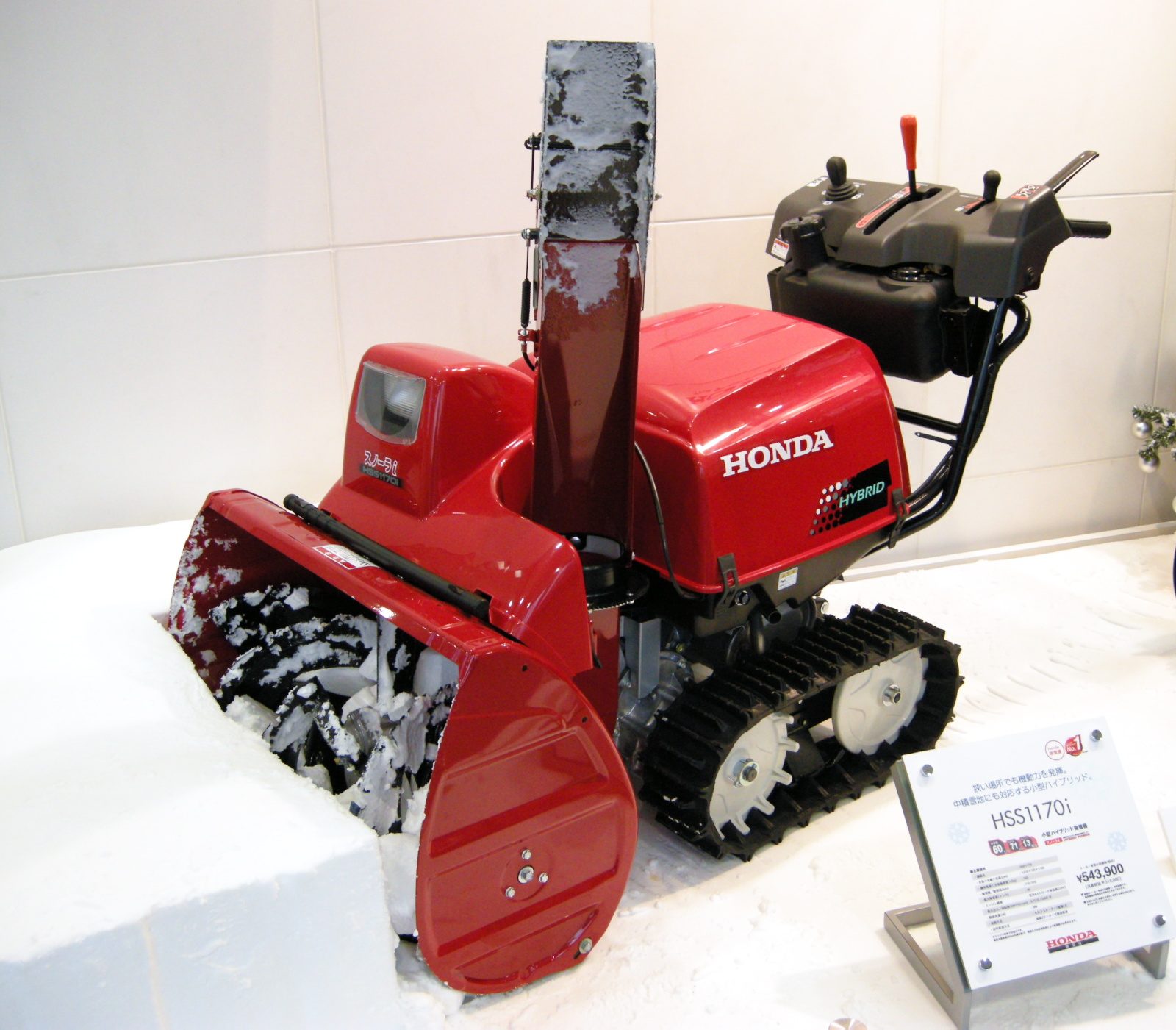
Direct answer: Never clear a clogged snow blower with your hands — not even when the engine is off. The U.S. Consumer Product Safety Commission (CPSC) warns that most snow blower injuries happen exactly this way: the operator thinks the auger has stopped, reaches into the discharge chute or the auger housing, and the still-moving parts cause severe hand and finger injuries, even amputations. The safe routine is short: stop the engine, wait for every moving part to come to a complete stop, and clear the clog with a long stick.
Why the chute is the danger zone
Government safety experts report that thousands of people are injured each year while using snow throwers. The CPSC counted some 3,300 consumers receiving hospital emergency room treatment in 1988 for snow thrower injuries, and some 2,800 in 1990. In most cases the pattern was the same: homeowners, thinking the augers had stopped rotating, put their hands into the machine's auger and collector or discharge chute to clear snow or debris. Many sustained severe hand and finger injuries, even amputations. The machine can fool you — parts keep spinning after the engine stops, and wet, heavy snow hides how fast they are still turning.
The unclogging routine, step by step
First, stop the engine. The CPSC rule is absolute: always stop the engine if repairs or adjustments are to be made, or if the discharge chute or auger needs to be unclogged. Second, wait until every moving part has fully stopped — do not trust that the machine sounds stopped. Third, remove the snow with a push stick or similar instrument, never with your hands. If the clog will not shift, repeat the routine rather than reaching in. The same engine-off rule covers any repair or adjustment, not just clogs.
Before the first snow
Check the snow thrower each time you need to use it over the winter, and always follow the owner's manual for care and maintenance. Inspect the machine often for loose or missing safety guards and for loose nuts, bolts and fasteners. Fuel up outdoors before starting the machine, and never add gasoline to a running or hot engine. Keep the gasoline can capped, store gasoline out of the house and away from ignition sources, and use a portable gasoline container with a child-resistant closure. If you have an electric-powered snow thrower, be aware of the power cord at all times and keep it clear of the blades.
While you work
Always keep your hands and feet away from all moving parts, and never leave the machine unattended while the engine is operating — shut the engine down if you must leave it for any length of time. Never leave a gas-powered snow blower running in an enclosed area: the exhaust contains poisonous carbon monoxide, which can kill in minutes. The CPSC's same winter warning adds that you should never leave a car running in a garage, even with the garage door open. For the wider winter plan, check warnings on our weather alerts page and read our severe cold and winter storm safety guide.
Gas or electric: different risks, same rules
The two kinds of machine fail in different ways, so the CPSC's advice splits by power source. With a gasoline machine, the risks are fuel and exhaust: fill the tank outdoors before starting, never pour gasoline into a running or hot engine, keep the can capped, store gasoline out of the house and away from ignition sources, and never run the machine in an enclosed space, because carbon monoxide can kill in minutes. With an electric machine, the risk is the cord: be aware of where the power cord is at all times, and keep it clear of the blades, since a cut cord can stop the machine suddenly or leave live wire in the snow. Whichever kind you own, the core rules do not change: stop the engine before clearing a clog or making an adjustment, keep hands and feet away from moving parts, inspect the guards and fasteners often, and follow the owner's manual. A snow blower is a safe tool when those rules are followed — and a dangerous one the first time a hand goes into the chute.
Frequently asked questions
Can I reach into the chute if the engine is off?
No. Most snow blower injuries happen when people think the augers have stopped but the parts are still moving. Stop the engine, wait until every moving part has fully stopped, and then clear the clog with a stick — never with your hands.
What should I use to clear a clogged snow blower?
A long push stick or similar instrument. The CPSC is explicit: remove snow with a stick, not with your hands, and stop the engine first.
Can I leave the snow blower running while I move something out of the way?
No. Never leave the machine unattended while the engine is operating — shut the engine down if you must leave it for any length of time.
Is it safe to run a gas snow blower inside a garage?
No. Never leave a gas-powered snow blower running in an enclosed area. Its exhaust contains poisonous carbon monoxide, which can kill in minutes.
Sources
- U.S. Consumer Product Safety Commission - Use Stick, Never Hands, To Unclog Snow Thrower
- U.S. Consumer Product Safety Commission - Using A Snow Thrower Could Cause Serious Injuries
- U.S. Consumer Product Safety Commission - Warm Up to Safety this Winter
About the author
WND Editorial Team — The World Natural Disasters editorial team curates disaster information from official scientific and humanitarian sources, reviews safety guidance against public-agency recommendations, and maintains the historical database.
Written and reviewed under our editorial policy. Factual claims cite the sources listed above.
Found an error? See our corrections policy.