Food Safety When Winter Storms Cut the Power
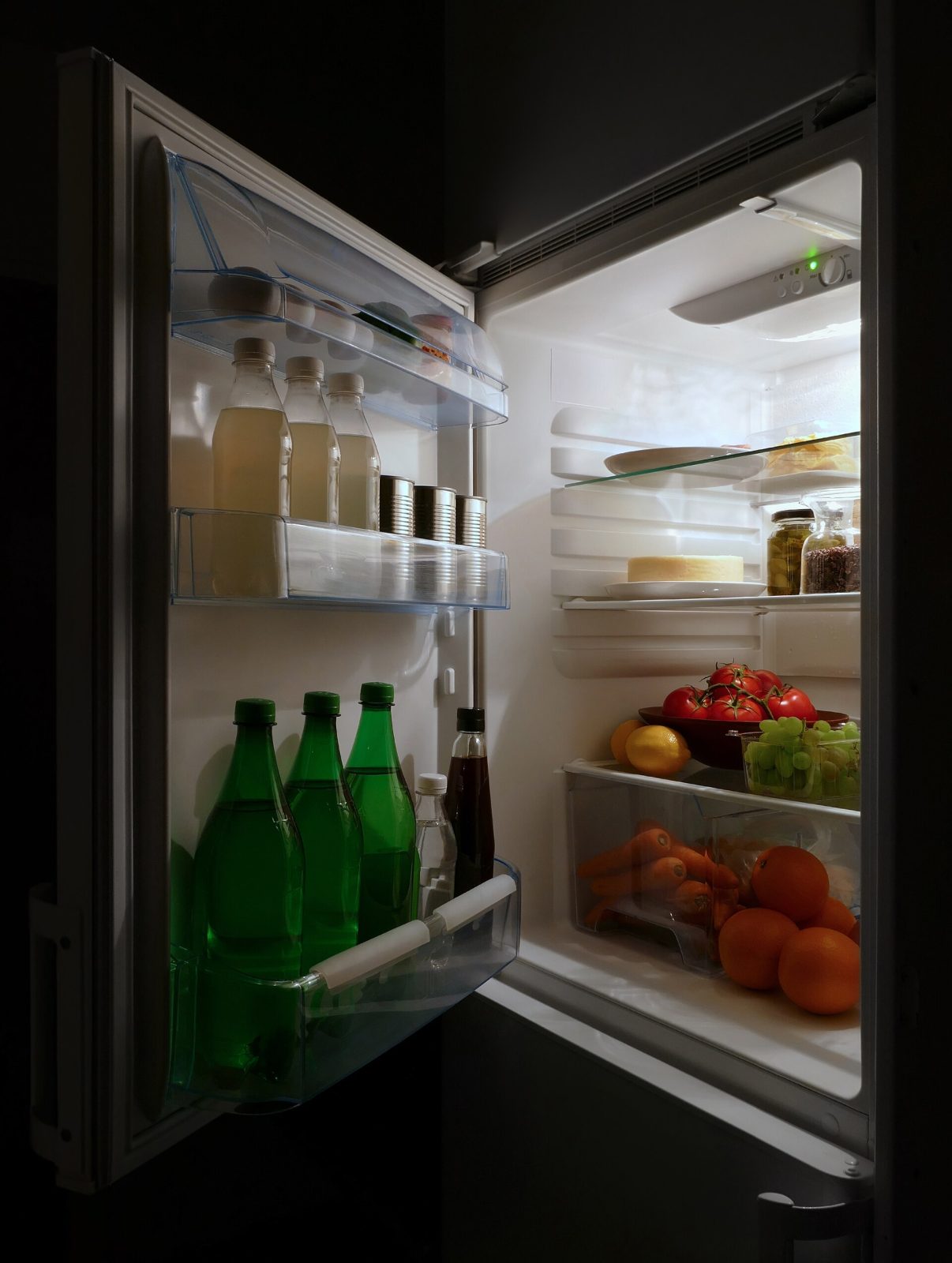
Direct answer: When a winter storm knocks out the power, the food in your kitchen is on a clock. A refrigerator keeps food cold for about 4 hours if you keep the door closed; a full freezer lasts about 48 hours, and a half-full freezer about 24 hours. The rules that keep food safe are simple: keep everything at or below 40 degrees Fahrenheit, keep the doors closed, and when in doubt, throw it out. The work that matters most happens before the storm, when you still have power and time to prepare.
Before the storm: get ready
Start with a thermometer in each appliance: the refrigerator should be at or below 40 degrees Fahrenheit, and the freezer at or below 0 degrees. An appliance thermometer tells you the temperature inside during an outage, so you can judge whether the food is still safe instead of guessing. Freeze containers of water and gel packs ahead of time — they act as ice packs that keep food cold longer — and keep the freezer as full as you can, since a full freezer stays cold longer than an empty one. Group food together in the freezer, and freeze leftovers, milk, and fresh meat and poultry you will not need right away, which helps keep them at a safe temperature longer. Have a cooler and frozen gel packs ready, and know where to buy dry or block ice if the outage could last a long time: 50 pounds of dry ice will keep an 18-cubic-foot, fully stocked freezer cold for about two days. Stock up on foods that do not need refrigeration, too — canned goods, crackers, peanut butter, and cereal — in case the outage outlasts your freezer, and keep a manual can opener with them.
While the power is out
Once the power goes out, keep the refrigerator and freezer doors closed as much as possible — every opening lets warm air in. Write the time the power went out on a note and tape it to the refrigerator, so you can tell later when the food stopped being safe. If the power has been out for 4 hours and you have a cooler and ice, move refrigerated perishables into the cooler and keep them at 40 degrees or below. Eat the foods that spoil fastest first: raw or leftover meat, seafood, and tofu, soft cheeses, milk, cream, yogurt, eggs, and cut fruits and vegetables. One thing you should not do is put food outside in the snow to keep it cold. The U.S. Department of Agriculture warns that outside temperatures can vary, and food left out can be exposed to animals and unsafe temperature swings. Instead, set containers of water outside if freezing conditions are expected, and use the frozen containers as ice packs to keep your food cold.
After the power returns
When the power comes back, check the thermometer before you eat anything. If the freezer reads 40 degrees or below, the food is safe and may be refrozen. If food still contains ice crystals, or is at 40 degrees or below, it is safe to refreeze or cook. But throw out refrigerated perishable food — meat, fish, cut fruits and vegetables, eggs, milk, and leftovers — that has been without power or a cold source for 4 hours or more. Never taste food to check whether it is safe, and throw out anything with an unusual smell, color, or texture. Some foods are safer than others after an outage: hard cheese, butter, uncut fruits and vegetables, bread, and non-creamy condiments such as ketchup can usually be kept, while meat, seafood, leftovers, soft cheese, milk, eggs, and creamy condiments should be discarded. For an item-by-item guide, the Centers for Disease Control and Prevention points to the FoodSafety.gov chart. Perishable food held at room temperature for 2 hours or more — or 1 hour if it is above 90 degrees — should be discarded.
What about water and flooding?
If the storm also brings flooding, only use water from a safe source for drinking and preparing food, and do not eat any food that may have come into contact with flood water. Food in waterproof containers — undamaged, commercially prepared foods in all-metal cans and retort pouches — can sometimes be saved by cleaning and sanitizing, but anything in a container that is not waterproof should be discarded if flood water may have touched it. When in doubt, throw it out: no meal is worth a case of food poisoning. For more on preparing for winter weather, see the site's cold safety guidance and check the weather alerts page before the next storm.
Frequently asked questions
How long does food stay safe in the fridge without power?
About 4 hours, as long as you keep the door closed. A full freezer lasts about 48 hours and a half-full freezer about 24 hours, with the doors closed.
Can I put food outside in the snow to keep it cold?
No. The U.S. Department of Agriculture warns that food left outside can be exposed to animals and unsafe temperature swings. Instead, freeze containers of water outside and use them as ice packs.
How do I know if frozen food is still safe after an outage?
Check the appliance thermometer: if the freezer reads 40 degrees Fahrenheit or below, the food is safe and may be refrozen. Food that still contains ice crystals, or is at 40 degrees or below, can also be refrozen or cooked.
Which foods should I eat first during a power outage?
Eat the foods that spoil fastest first: meat, dairy, eggs, and leftovers. Shelf-stable foods such as canned goods, crackers, and peanut butter last longest, so stock up on them before the storm.
Sources
- Centers for Disease Control and Prevention - Keep Food Safe After a Disaster or Emergency
- U.S. Food and Drug Administration - Food and Water Safety During Power Outages and Floods
- Virginia Cooperative Extension - Which Foods Should I Keep or Discard During a Power Outage?
About the author
WND Editorial Team — The World Natural Disasters editorial team curates disaster information from official scientific and humanitarian sources, reviews safety guidance against public-agency recommendations, and maintains the historical database.
Written and reviewed under our editorial policy. Factual claims cite the sources listed above.
Found an error? See our corrections policy.