Downed Power Lines: Stay Away After an Ice Storm
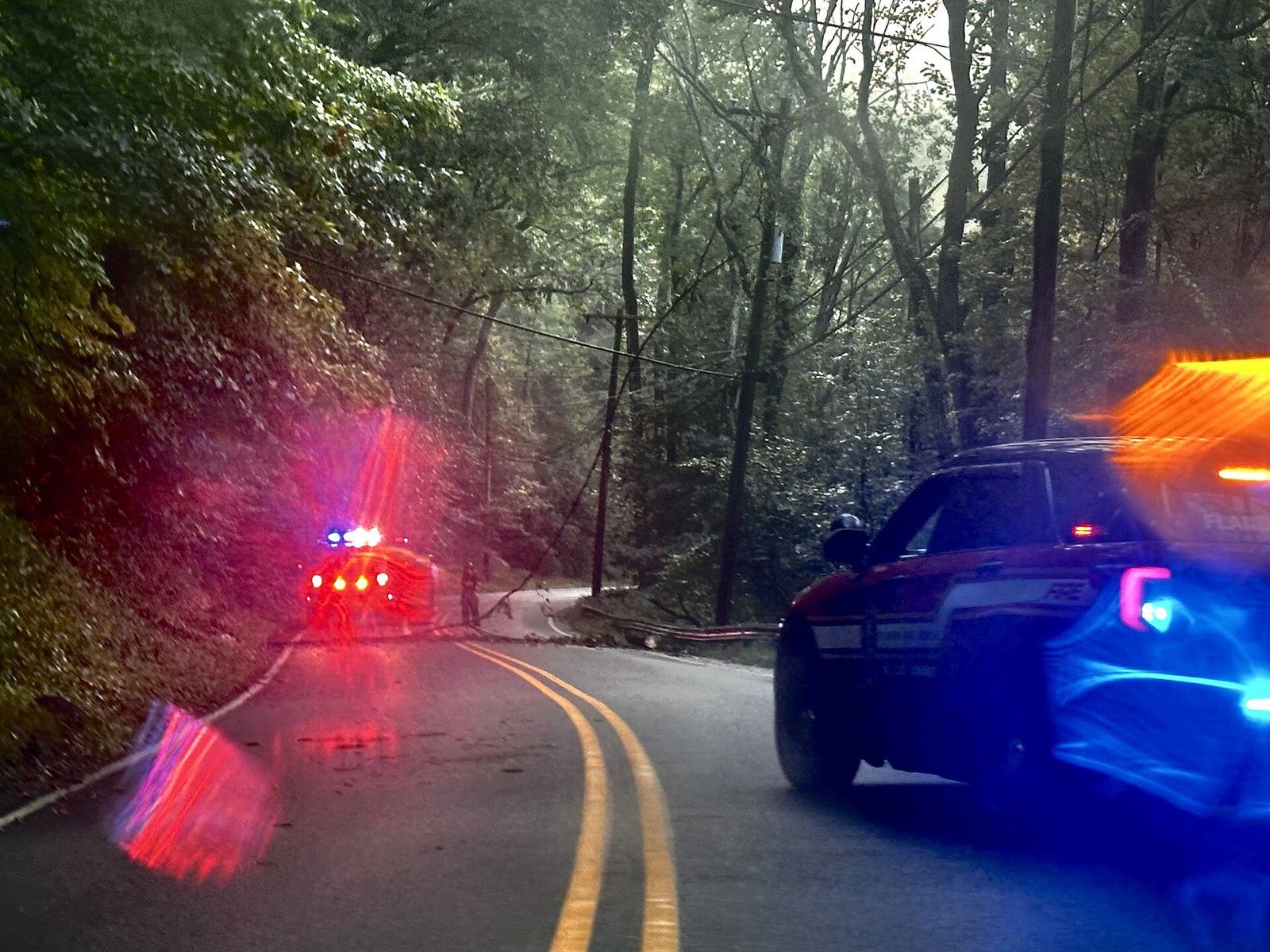
Direct answer: Ice and wind bring down power lines, and a line on the ground is still dangerous. The rule is simple: assume every downed line is live, stay at least 30 feet away, and call 911. Do not touch the line, do not touch anything it is touching, and never drive over it. A fallen line does not always go dead when it hits the ground — circuits can stay energized, and automatic reclosers can switch the power back on without warning.
Why a quiet line can still kill
A downed power line can electrocute you even if it is not sparking or humming. The Occupational Safety and Health Administration warns that circuits do not always turn off when a power line falls into a tree or onto the ground, and that reclosers — devices on the power system — automatically try to reset circuits and restore power when it is interrupted. Electricity can also spread outward through the ground in a circular shape from the point of contact, so the ground itself can be dangerous well away from the wire. A downed wire can energize other nearby objects: fences, water pipes, bushes and trees, buildings, telephone and cable lines, manhole covers, and even the steel reinforcement bars in pavement. Wind-blown objects such as canopies, aluminum roofs, siding, and sheds can also become energized by a downed wire. That is why the first rule is to treat everything electrical as energized until it has been tested and proven to be de-energized — and why you should never assume a wire is a harmless telephone or television cable just because it looks coated or thin.
What to do on foot
Stay at least 30 feet away from the line until help arrives — that is the guidance from the Illinois Emergency Management Agency — and keep everyone else back too. Call 911 immediately to report a fallen power line, and contact your local utility if you can. Do not try to move the line, and do not touch or move anything that is in contact with it, including tree limbs, fences, or debris. If a downed line is near water, even a small puddle, keep well away: water conducts electricity. Never climb a substation fence, and warn children to stay away. Do not drive or walk over a downed power line, and do not assume a low-hanging wire is safe just because it has not reached the ground — low-hanging wires still carry voltage.
If a line falls on your car
If a power line falls on your vehicle, stay inside the vehicle until help arrives and call for help if you can. Do not get out unless the vehicle is on fire. If you must exit because of fire or another immediate danger, try to jump completely clear, making sure you do not touch the vehicle and the ground at the same time. Land with both feet together and shuffle away in small steps, keeping both feet close together on the ground, to minimize the path of electric current through your body. Be careful to keep your balance, and do not go back to the vehicle until utility workers tell you it is safe. Anyone who touches the equipment or the ground around your car can be injured, so warn others to stay back as well.
Generators can energize a dead line
There is one more danger that catches people by surprise after a storm: backfeed. If a portable generator is connected improperly to a building's electrical system, electricity can flow out of the building and into the power lines outside, energizing a line that repair crews — and your neighbors — believe is dead. OSHA warns that this is a hazardous condition created when temporary sources of electricity are connected to a damaged permanent system. Use a portable generator as a standalone source of power only, and never connect it to a building's electrical system unless a qualified person has installed a properly wired bypass or isolation connection. For more on staying safe when the power is out, see the site's cold safety guidance and check the weather alerts page for current hazards.
Frequently asked questions
How far away should I stay from a downed power line?
At least 30 feet, according to the Illinois Emergency Management Agency — and keep everyone else back too. Call 911 immediately to report the fallen line.
The line isn't sparking — is it safe?
No. Circuits do not always turn off when a line falls, and reclosers can restore power automatically. OSHA says to treat everything electrical as energized until it has been tested and proven to be de-energized.
What if a power line falls on my car?
Stay inside and call for help. Get out only if the car is on fire — then jump clear without touching the car and the ground at the same time, land with both feet together, and shuffle away in small steps.
Can I plug my generator into the house wiring?
No, unless a qualified person has installed a proper bypass or isolation connection. An improper hookup can push electricity out into downed lines — a condition called backfeed — so use a generator as a standalone source only.
Sources
- OSHA - Working Safely Around Downed Electrical Wires (Fact Sheet FS-3941)
- Illinois Emergency Management Agency - Downed Power Lines (Ready Illinois)
About the author
WND Editorial Team — The World Natural Disasters editorial team curates disaster information from official scientific and humanitarian sources, reviews safety guidance against public-agency recommendations, and maintains the historical database.
Written and reviewed under our editorial policy. Factual claims cite the sources listed above.
Found an error? See our corrections policy.