Fog Safety: Driving When You Cannot See the Road
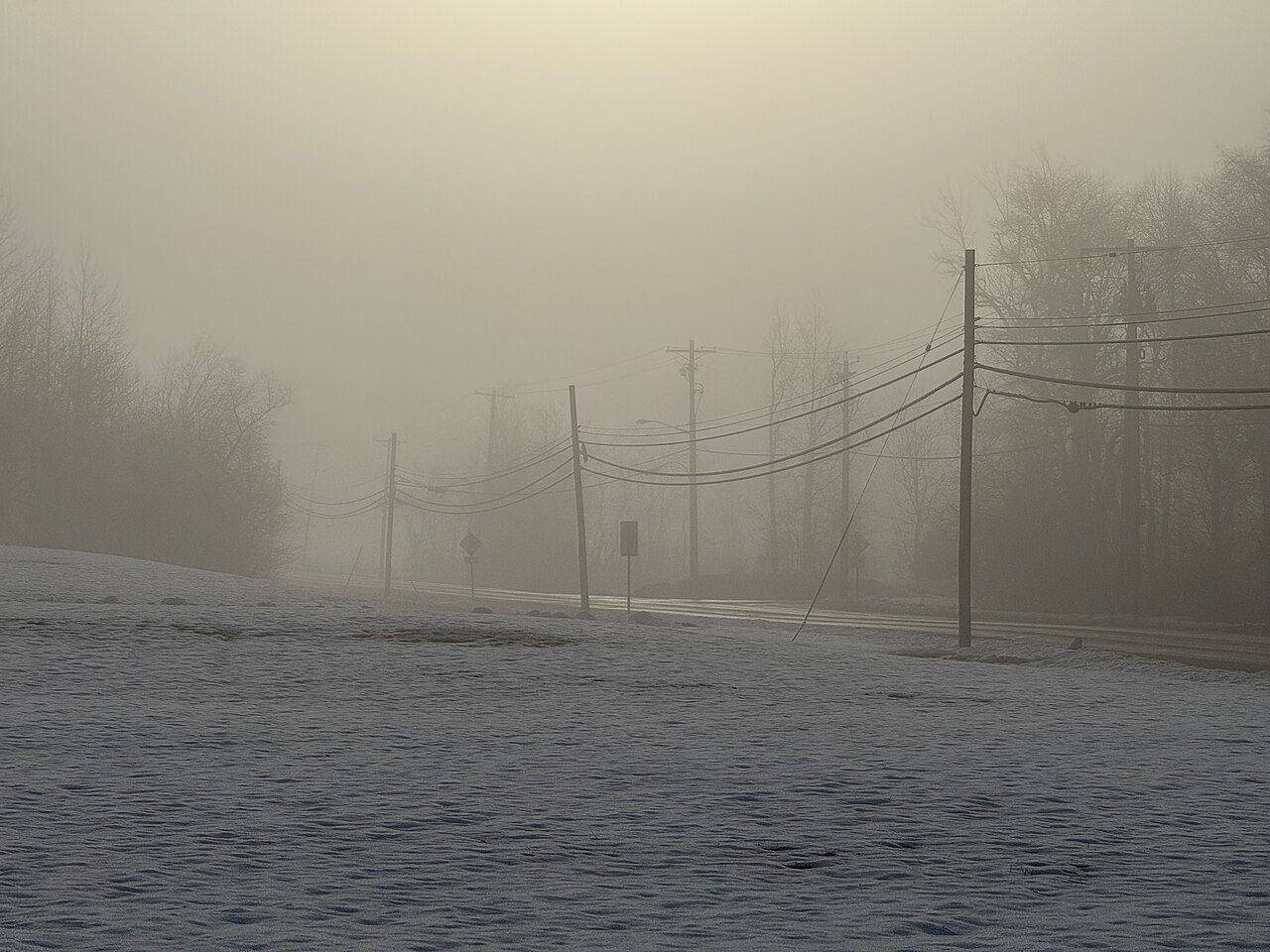
Direct answer: When fog closes in, slow down before you enter it, switch to low-beam headlights, and drive so you can stop within the distance you can see. The National Weather Service issues a Dense Fog Advisory when widespread dense fog drops visibility to one-quarter of a mile or less, and at that point the safest choice is often not to drive at all. If you must drive, fog changes the rules you normally rely on: your high beams hurt rather than help, the vehicle ahead can stop without warning, and the road can vanish around a bend or near a river.
What a Dense Fog Advisory means
A Dense Fog Advisory means widespread dense fog has developed and visibility has frequently fallen to one-quarter of a mile or less. At that distance, a stopped vehicle, a curve, a pedestrian or an animal can appear with almost no time to react, and higher speeds make that worse. The National Weather Service advice for advisory conditions is blunt: take extra caution on the road, or avoid driving if possible. Check warnings on our weather alerts page before you set out, and take the advisory's start and end times seriously — fog is patchy, and one clear stretch does not mean the whole route is clear.
Before you set out
If the trip can wait, wait. Fog often thins after sunrise, and a delayed departure can turn a dangerous drive into an ordinary one. If you must go, allow extra time so you are never tempted to make it up with speed, and clear your windshield inside and out before you leave. Turn on your wipers and defroster to remove moisture from the windshield as you drive, and keep your attention on the road: in fog, your sight distance is your reaction time, and distractions cost the little margin you have.
Low beams, never high beams
Use your low-beam headlights whether it is day or night, and turn on fog lamps if your car has them. Low beams also switch on your taillights, so drivers behind you can see you. Never use high beams in fog: the light reflects off the suspended droplets and glares back at you, making it harder to see what is ahead. The same rule applies to your own visibility to others — make your vehicle visible ahead and behind, and do not assume other drivers can see you just because you can see your own headlights.
Speed and space
Slow down before you enter a patch of fog, not after you are already blind inside it. The National Weather Service rule is the one to remember: be sure you can stop within the distance you can see. Leave plenty of distance between you and the vehicle ahead, because traffic patterns can change suddenly and a vehicle ahead may brake for something you cannot yet see. Watch out for slow-moving and parked vehicles, which appear late in fog and are easy to misjudge. There is no universal safe speed in fog — your speed is safe only if it lets you stop inside your visible road.
Stay in your lane
Use the right edge of the road or the painted road markings as your guide, and follow them with your eyes. Do not change lanes or pass other vehicles unless absolutely necessary: in fog you cannot be sure the next lane is clear, and a passing move leaves you no room if something appears. Be ready for sudden changes in visibility — fog is patchy by nature, and visibility can drop sharply without warning, especially at speed. It may also be lower near rivers and lakes, and extra caution is needed in school zones, where children and flashing school bus lights appear late.
If you must pull off
If visibility falls so low that you cannot drive safely, get off the road. Signal first, then slowly and carefully pull off as far as possible — a parking lot or a side road is far better than the shoulder of a busy road. Once you are off the road, turn on your hazard flashers so other drivers can see you. Stay off the road until visibility recovers along your whole route, not just where you stopped: one clearer spot does not mean the fog has lifted.
Freezing fog is a different danger
When fog forms and surface temperatures are at or below freezing, the National Weather Service issues a Freezing Fog Advisory instead. The tiny liquid droplets in the fog freeze instantly on any surface they touch, including vehicles and road surfaces, so the road itself can ice over even though nothing fell from the sky. Visibilities in freezing fog are typically at or below one mile. Treat it as both a visibility hazard and an icing hazard, and read our severe cold and winter storm safety guide for the wider winter plan.
Frequently asked questions
What is a Dense Fog Advisory?
It means widespread dense fog has developed and visibility has frequently dropped to one-quarter of a mile or less. Travel becomes difficult, and the National Weather Service advises extra caution or avoiding driving if possible.
Why are high beams bad in fog?
High beams reflect off the tiny water droplets suspended in the fog and glare back at you, making it harder to see ahead. Use low beams instead, which also switch on your taillights so drivers behind you can see you.
What should I do if visibility drops to near zero?
Signal first, then slowly and carefully pull off the road as far as possible — a parking lot or side road is better than a busy shoulder. Once off the road, turn on your hazard flashers and wait until visibility recovers along your whole route.
What is freezing fog?
Fog that forms when surface temperatures are at or below freezing. Its droplets freeze instantly on vehicles and road surfaces, so the road can ice over even though nothing fell from the sky. Visibilities are typically at or below one mile.
Sources
About the author
WND Editorial Team — The World Natural Disasters editorial team curates disaster information from official scientific and humanitarian sources, reviews safety guidance against public-agency recommendations, and maintains the historical database.
Written and reviewed under our editorial policy. Factual claims cite the sources listed above.
Found an error? See our corrections policy.