Downgraded but Dangerous: Why Slow Hurricanes Still Flood
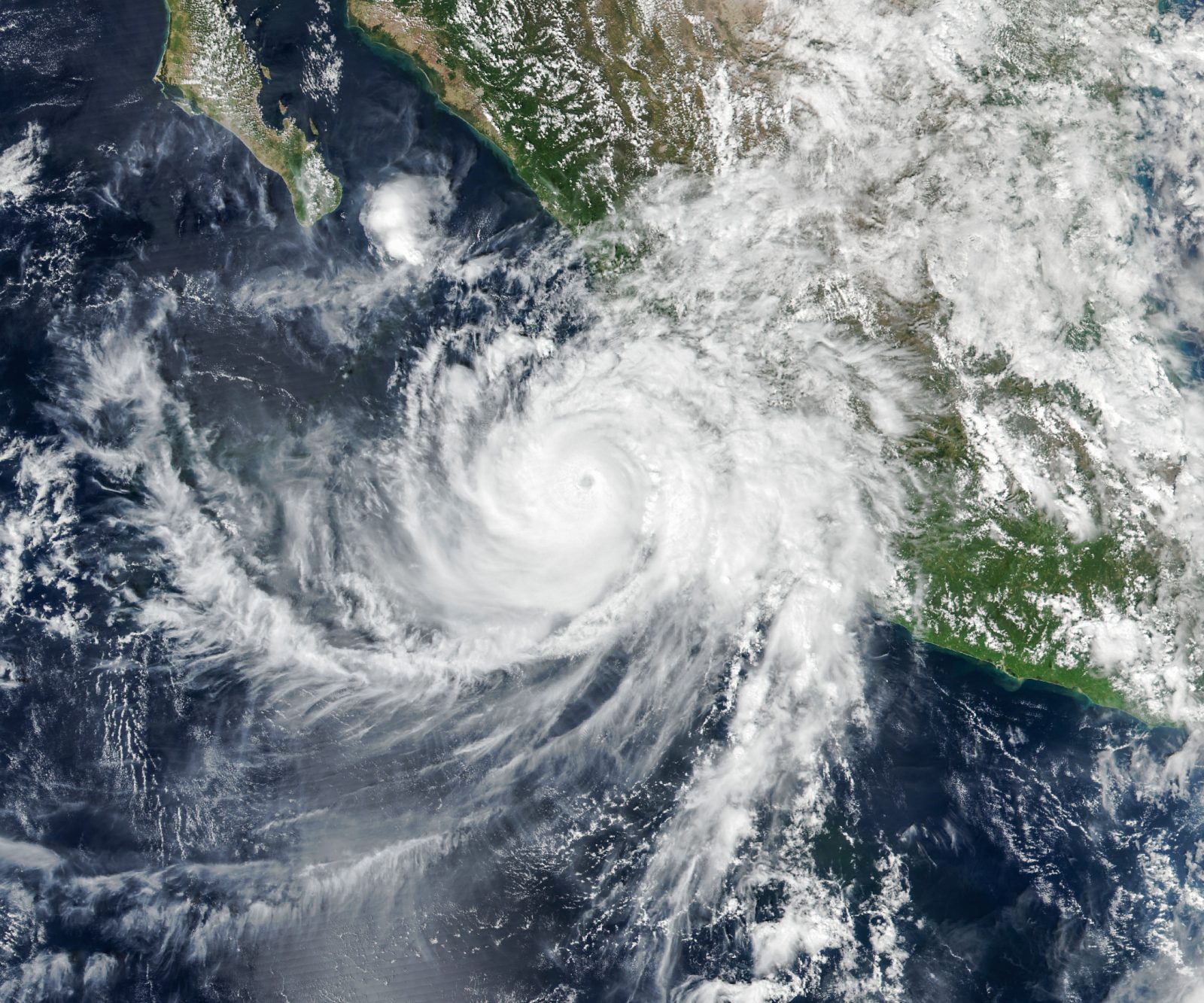
Direct answer: A hurricane downgrade is not an all-clear. The Saffir-Simpson category measures wind speed only — it says nothing about rainfall flooding, storm surge, or mudslides. In October 2026, Hurricane Simon showed why this matters: it peaked as a Category 4 storm with 150 mph winds, then weakened to a Category 1 drifting at just 2 mph, and the National Hurricane Center was still warning of life-threatening surf and rip currents. Weak, slow storms can be some of the deadliest because they linger, drowning the same ground for hours or days.
What the category number actually measures
The Saffir-Simpson Hurricane Wind Scale is a 1-to-5 rating based only on a hurricane’s maximum sustained wind speed. It does not take into account other potentially deadly hazards such as storm surge, rainfall flooding, or tornadoes, according to the National Hurricane Center. Storms rated Category 3 or higher are called major hurricanes — but the Center warns that hurricanes of all categories can produce deadly storm surge, rain-induced floods, and tornadoes. So a storm that has dropped to Category 1 can still carry the full deadly package of water hazards.
Hurricane Simon: from Category 4 to Category 1 — and still dangerous
On October 10, Advisory 14 called Simon a Category 4 storm moving slowly northward: maximum sustained winds of 150 mph, a minimum central pressure of 932 millibars, centered about 100 miles south-southwest of Manzanillo, Mexico, and moving north at only 5 mph. (NASA’s Earth Observatory later reported a peak of 155 mph on October 11.) What stood out in that advisory was not the wind: the Center forecast 10 to 20 inches of rain over parts of southwestern Mexico, with isolated totals up to 30 inches across Michoacán, Colima, and Jalisco — warning the rainfall would produce “life-threatening flooding and mudslides, especially in areas of steep terrain.”
Four days later, Advisory 29 (October 14) announced “Simon weakens while drifting southwestward”: winds down to 90 mph — Category 1 — the storm drifting southwest at 2 mph, with the center about 165 miles west-southwest of Cabo Corrientes. Yet the hazards did not disappear with the wind: the NHC still forecast additional rainfall over Baja California Sur, warned that swells were “likely to cause life-threatening surf and rip current conditions” along west-central Mexico and Baja California Sur, and told interests in those areas to continue monitoring the storm. The storm had lost most of its wind and speed — and it still demanded respect.
Why slow storms are so wet
A hurricane is a rain machine: its spiral bands dump water over whatever lies beneath them. When a storm crawls at 2 to 5 mph, those bands sit over the same towns, rivers, and valleys for far longer than a fast-moving storm would. That is how Simon, even while weakening, could deliver the 10-to-20-inch rainfall totals the NHC forecast, with local maximums of 30 inches — enough to turn rivers into torrents and slopes into mudslides. The lesson is explicit: slow motion plus steep terrain equals life-threatening flooding and mudslides.
Mudslides: the other water killer
Mudslides — scientists call them debris flows — are among the most destructive products of a slow hurricane. The US Geological Survey says debris flows generally occur during intense rainfall on water-saturated soil: they usually start on steep hillsides, where soil slumps or slides, liquefies, and accelerates to speeds as great as 35 miles per hour, carrying boulders, trees, and cars. Flows from many sources can combine in channels, greatly increasing their destructive power. The USGS notes that the most frequent and widespread damaging landslides in the US are induced by prolonged or heavy rainfall. If you live below or near a steep slope, heavy rain is your warning: move away from the slope and be ready to leave quickly if local officials say so.
What to do: respect the water, not just the wind
The single most important rule in floodwater is the National Weather Service’s “Turn Around, Don’t Drown”: never drive, walk, or swim through floodwater. The numbers explain why: each year more people die in flooding than from any other thunderstorm-related hazard. Over half of flood-related drownings happen when a vehicle is driven into hazardous floodwater. Just six inches of fast-moving water can knock over an adult; 12 inches of rushing water can carry away most cars; and two feet can carry away SUVs and trucks. Never drive around barriers blocking a flooded road — the road may have collapsed under the water.
The federal guidance at ready.gov is equally direct: under a flood warning, find safe shelter right away, evacuate if you are told to, and move to higher ground or a higher floor. Floods are the most common disaster in the United States, and flash floods can arrive with little warning. Return home only when authorities say it is safe.
And when any hurricane approaches — whatever its category — the NHC’s advice holds: hurricanes of all categories can produce deadly storm surge, rain-induced floods, and tornadoes. A downgrade means the winds are weaker. It does not mean the storm is safe.
Related pages on this site: the Hurricane Safety Guide and the Storm Surge Safety Guide, the Tropical Cyclone Outlook for what the National Hurricane Center is watching now, US weather alerts by state, and the history archive.
Frequently asked questions
If a hurricane is downgraded to a Category 1, is it safe to go outside?
No. The Saffir-Simpson category measures wind speed only and says nothing about rainfall flooding, storm surge, or tornadoes. Hurricane Simon was downgraded to Category 1 while drifting at just 2 mph, and the National Hurricane Center still warned of life-threatening surf and rip currents and told coastal interests to keep monitoring the storm.
What does the Saffir-Simpson category actually measure?
Only a hurricane's maximum sustained wind speed, on a 1-to-5 scale. The National Hurricane Center says it does not take into account other potentially deadly hazards such as storm surge, rainfall flooding, or tornadoes — which hurricanes of all categories can produce. Category 3 and above are called major hurricanes.
Why are slow-moving hurricanes so dangerous even when the wind drops?
Slow motion keeps the rain bands over the same ground for much longer. Simon moved north at only 5 mph as a Category 4 and drifted at 2 mph as a Category 1, while the NHC forecast 10 to 20 inches of rain, with isolated totals of 30 inches, producing life-threatening flooding and mudslides, especially in areas of steep terrain.
What should I do during a flood warning?
Evacuate immediately if told to do so, and never walk, swim, or drive through floodwater — Turn Around, Don't Drown. Six inches of fast-moving water can knock you down and 12 inches can carry away most cars. Move to higher ground or a higher floor, and return home only when authorities say it is safe.
Sources
- NHC - Saffir-Simpson Hurricane Wind Scale
- NHC - Hurricane Simon Public Advisory 14 (Oct 10 2026)
- NHC - Hurricane Simon Public Advisory 29 (Oct 14 2026)
- NHC - Hurricane Simon advisory archive
- NASA Earth Observatory - Hurricane Simon Lurks Off the Mexican Coast
- NWS - Turn Around Don't Drown
- Ready.gov - Floods
- USGS Fact Sheet FS-071-00 - Landslide Hazards
- USGS - Overview of Rainfall-Induced Landslides
About the author
WND Editorial Team — The World Natural Disasters editorial team curates disaster information from official scientific and humanitarian sources, reviews safety guidance against public-agency recommendations, and maintains the historical database.
Written and reviewed under our editorial policy. Factual claims cite the sources listed above.
Found an error? See our corrections policy.