Cold Water Shock: Why Falling Into Cold Water Kills So Fast
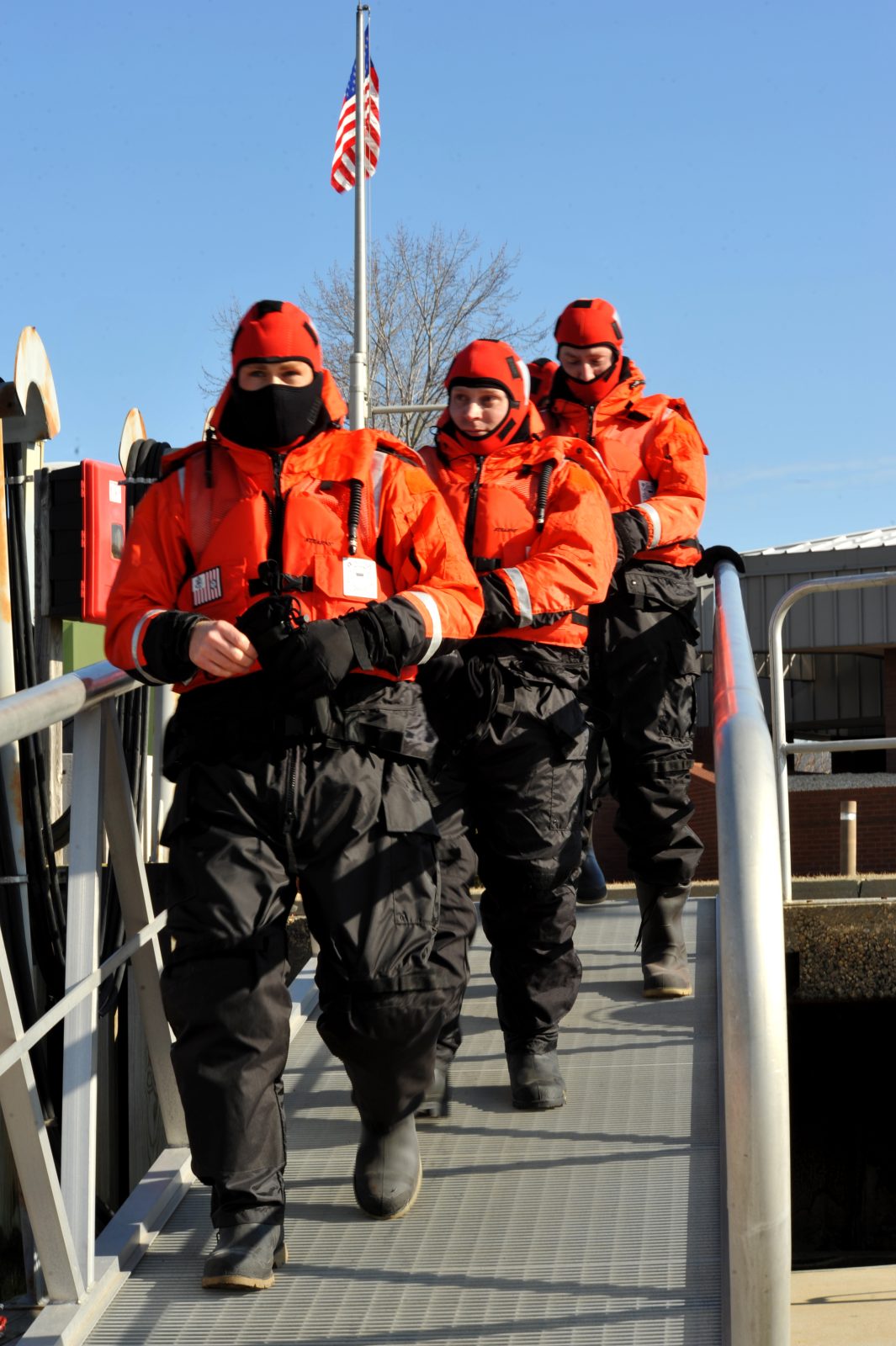
Direct answer: Cold water kills fast — and not through hypothermia first. The first danger is cold shock: the body's violent response to sudden immersion. An involuntary gasp and rapid breathing can flood your lungs in the first minutes even if you are a strong swimmer, while heart rate and blood pressure spike, which can cause heart failure or stroke in vulnerable people. The U.S. Army Corps of Engineers summarizes survival with the 1-10-1 rule: about 1 minute to get your breathing under control, 10 minutes of useful movement before your muscles fail, and roughly 1 hour before hypothermia can knock you unconscious. A life jacket is the single most important defense.
What counts as cold water
The National Weather Service defines cold water as any water at 70°F or lower — far warmer than most people expect. Autumn is the danger season: warm air temperatures can create a false sense of security, the NWS warns, but warm air does not always mean warm water. The rule is simple: dress for the water temperature, not the air temperature.
Stage one: cold shock
Cold shock is the immediate crisis. The NWS says it causes dramatic changes in breathing, heart rate and blood pressure. Survivors describe having their breath knocked out of them — the sudden gasp and rapid breathing, lasting 2 to 3 minutes or more, creates a drowning emergency on its own if water is inhaled. Uncontrolled rapid breathing can overwhelm even a confident swimmer in calm water. The shock can also trigger instant panic and disorientation, impairing clear thinking and decision making exactly when you need both.
This is the "1" in 1-10-1: cold shock passes in about one minute — an initial deep, sudden gasp followed by hyperventilation. The official guidance is to concentrate on not panicking and on getting your breathing under control.
Stage two: swimming failure
Next comes physical incapacitation: the loss of muscular control in the arms, legs, hands and feet. It can be felt within seconds of entering cold water, and within 10 minutes simple tasks like keeping your head above water become increasingly difficult. The longer the exposure — or the colder the water — the more severe the impact. Progressive loss of muscle control makes self-rescue or staying afloat without help virtually impossible, and the NWS is blunt: loss of the muscle control needed to keep your head above water, combined with no life jacket, means drowning becomes inevitable.
The U.S. Army Corps of Engineers lists four stages of cold-water immersion — cold shock, swimming failure, hypothermia and post-rescue collapse — and notes that most cold-water drownings are attributed to the first two stages. This is the "10" in 1-10-1: over the next 10 minutes you lose the effective use of your fingers, arms and legs. Concentrate on self-rescue if it is possible; if it is not, keep your airway clear and wait for rescue.
Stage three: hypothermia
Only after the initial dangers of cold shock does hypothermia take over. Onset begins when core body temperature drops to 95°F (35°C), and body temperature keeps falling the longer you are immersed. Even in ice water, the Corps of Engineers says it can take about an hour before hypothermia causes unconsciousness — which is why the first minutes, not the last, decide most outcomes.
If you fall in: what officials say to do
The U.S. Coast Guard's survival guidance, published by the NWS: stay calm. Minimize your time in the water and get out as soon as you safely can. If you can swim to safety, do so; if you cannot, conserve your energy and heat and await rescue. Assume the Heat Escape Lessening Position — draw your knees to your chin, keep your legs together, press both arms against your sides, keep your head out of the water. If you are with others, huddle together as close as possible.
It is critical to wear a life jacket, the Corps of Engineers says, to keep you afloat and your head above water — precisely when your muscles can no longer do it for you.
Before you go out on the water
The NWS safety checklist: always wear your life jacket when on the water; wear cold-water protection gear rated for the water temperature, not the air temperature; tell someone where you are going and when you will return; and check the weather forecast and water conditions before you go. Do not boat alone in the cold-water season. See our Severe Cold & Winter Storm Safety for the land-side cold hazards, US weather alerts by state for current conditions, and the historical disaster archive for how fast water turns deadly.
Frequently asked questions
What temperature counts as cold water?
The National Weather Service defines cold water as any water at 70 degrees F or lower — far warmer than most people expect. Warm autumn air does not mean warm water.
What is the 1-10-1 rule for cold-water immersion?
From the U.S. Army Corps of Engineers: about 1 minute for cold shock to pass — concentrate on controlling your breathing; 10 minutes of useful movement before your muscles fail; and roughly 1 hour before hypothermia can cause unconsciousness.
Can a strong swimmer drown from cold shock?
Yes. The NWS says the sudden gasp and rapid breathing from cold-water immersion create a drowning risk even for confident swimmers in calm water — if water is inhaled during the gasp reflex, swimming ability does not help.
What should I do if I fall into cold water?
Stay calm and get out as soon as you safely can. If you cannot, conserve energy: assume the Heat Escape Lessening Position — knees to chin, arms pressed to your sides, head out of the water — and await rescue. Always wear a life jacket.
Sources
- National Weather Service - Cold Water Hazards and Safety
- NWS Gray ME - Hazard of Cold Water Activities
- U.S. Army Corps of Engineers - Water safety is a year round concern (Release 17-115)
About the author
WND Editorial Team — The World Natural Disasters editorial team curates disaster information from official scientific and humanitarian sources, reviews safety guidance against public-agency recommendations, and maintains the historical database.
Written and reviewed under our editorial policy. Factual claims cite the sources listed above.
Found an error? See our corrections policy.