Break the Grip of the Rip: How to Survive a Rip Current
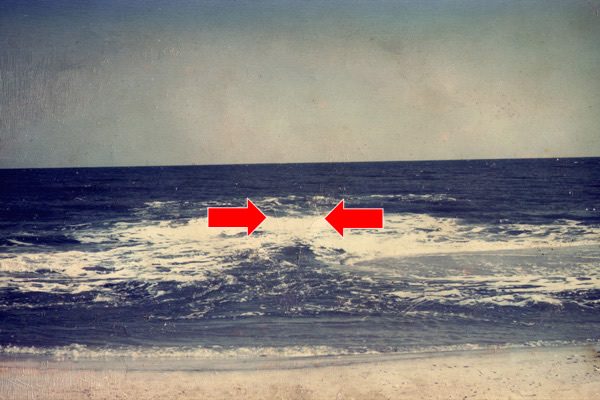
Direct answer: A rip current is a powerful channel of water flowing away from shore, past the line of breaking waves. If one catches you: stay calm, don't fight it — it will not pull you under, it will only pull you away from shore. Float, and if you are a good swimmer, swim parallel to the shore until you are clear of the pull, then let the waves carry you back to the beach.
What a rip current is
Waves push water toward the beach, and that water has to get back out to sea. It drains through breaks in sandbars, forming narrow, fast channels that run straight offshore — typically from the shoreline past the breaking waves. NOAA says rip currents account for 80% of beach rescues and can be dangerous or deadly if you don't know what to do. They can form at any beach with breaking waves, including the Great Lakes, and they can appear even on calm, sunny days. That is the trap: there is no storm on the horizon, the water looks inviting, and the danger is invisible from a beach towel.
Because they are so hard to see, forecasts matter. The National Weather Service publishes daily surf zone forecasts for many coastal areas, and NOAA runs a dedicated rip current forecast page at ripcurrents.noaa.gov. Checking it takes a minute and tells you whether the day's beach conditions carry an elevated rip current risk before you ever touch the water. Rough surf from a distant storm can drive rip currents ashore hundreds of miles from the storm itself, so the risk can be real on a day the sky above you is blue.
How to spot one from the beach
The National Weather Service lists four clues: a channel of churning, choppy water; an area where the water is a noticeably different colour; a line of foam, seaweed or debris moving steadily seaward; and a break in the incoming wave pattern. None of these guarantees a rip current, but seeing them means swimming there is a bad idea. The NWS notes that more people die from rip currents each year than from shark attacks or lightning.
Know before you go
NOAA's advice is simple: check the local beach forecast before you head out, and always swim near a lifeguard. Look for warning signs or flags, and if you are unsure about conditions, ask a lifeguard. Know how to swim before you venture in. The National Weather Service issues surf zone forecasts for many coastal areas, and its standing rule is blunt: when in doubt, don't go out.
If you get caught
Stay calm. The current will not pull you under; it pulls you away from the shore. Fighting it and swimming straight against it will only wear you out, so float instead. If you are a good swimmer, swim parallel to the shore until you have cleared the pull of the current, then head toward the beach, letting the waves push you in. If you are not a strong swimmer, the right move is simpler: float, conserve your energy, and wait for the current to weaken while you signal for help. Wave and yell to get the attention of lifeguards and people on shore — being seen early is part of the rescue.
If you are on shore and see someone in trouble: call for help. If no lifeguard is available, throw in something that floats or extend a reaching object — but do not swim out to them. Even trained lifeguards only attempt a rescue using a flotation device, and would-be rescuers drown in rip currents every year.
Related pages on this site: US weather alerts by state for coastal hazard forecasts, the Tropical Cyclone Outlook (distant storms can drive dangerous surf and rip currents ashore), and the historical disaster archive.
Frequently asked questions
Will a rip current pull me underwater?
No. A rip current pulls you away from the shore, not down. NOAA's advice: stay calm, don't fight it, float, and conserve your energy until you can swim out of it.
How do I escape a rip current?
Swim parallel to the shore until you are clear of the pull, then head toward the beach and let the waves carry you in. If you can't escape, float or calmly tread water, and wave and yell for help.
How can I spot a rip current from the beach?
Look for a channel of choppy water, a patch of differently coloured water, a line of foam or debris moving seaward, or a gap in the incoming wave pattern. If you see any of these, the National Weather Service says to stay out.
What should I do if someone else is caught in one?
Call for help or alert a lifeguard. If no lifeguard is around, throw the person something that floats and shout instructions. Do not swim out yourself — people drown trying to rescue others from rip currents.
Sources
- NOAA Ocean Today - Break the Grip of the Rip
- NWS Tampa Bay - Break the Grip of the Rip! (rip current science & safety)
- NOAA - Rip Current Forecast & Safety
About the author
WND Editorial Team — The World Natural Disasters editorial team curates disaster information from official scientific and humanitarian sources, reviews safety guidance against public-agency recommendations, and maintains the historical database.
Written and reviewed under our editorial policy. Factual claims cite the sources listed above.
Found an error? See our corrections policy.