Volcano Safety: What to Do When a Volcano Erupts
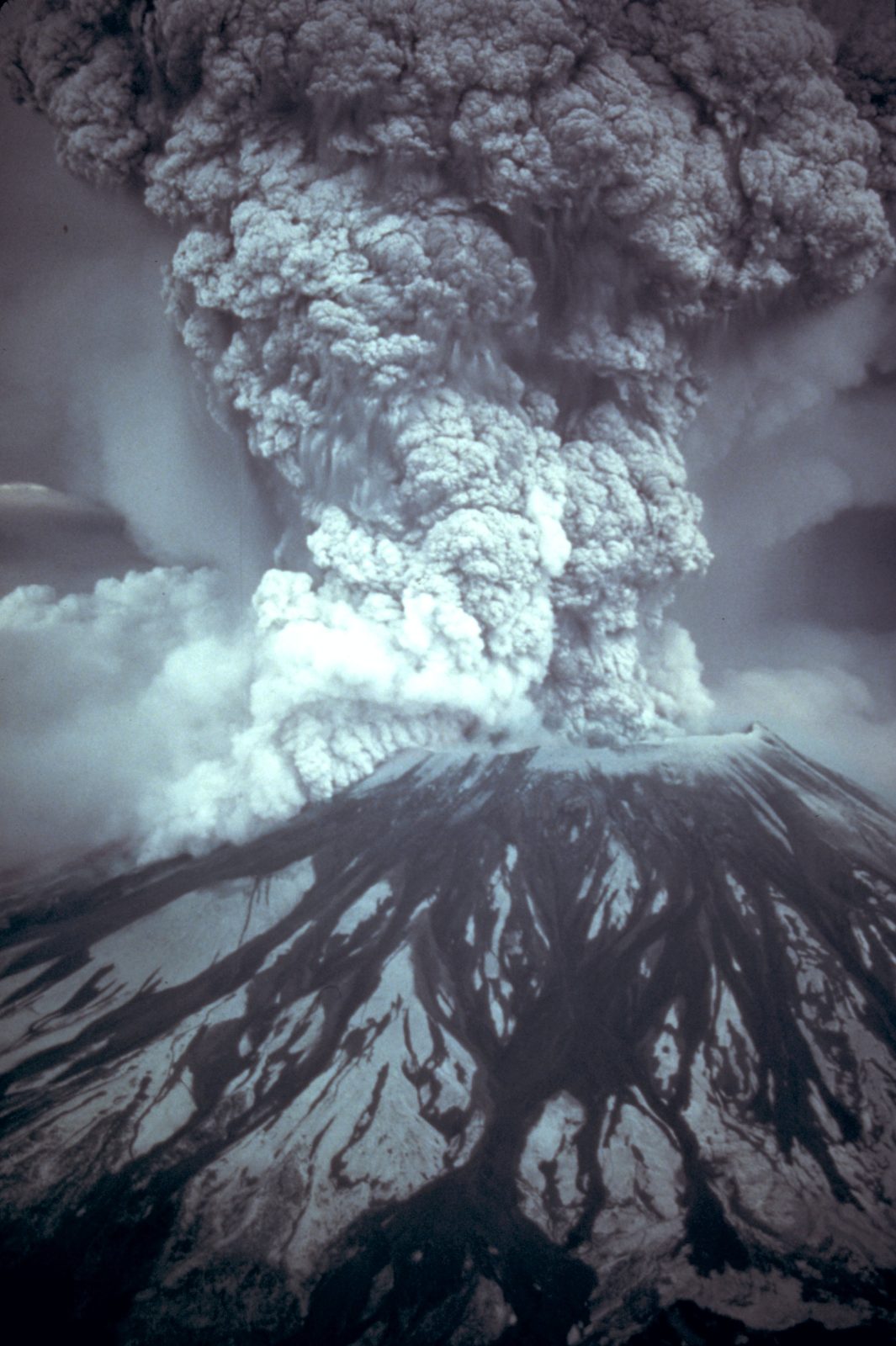
Direct answer: When a volcano erupts, follow the instructions of officials — for closures and evacuations, it might save your life. A single eruption can threaten you in several ways at once: falling ash and volcanic rocks, lava flows, lahars (volcanic mudflows), volcanic gases, and fast-moving torrents of hot rock and gas called pyroclastic flows. Officials update hazard zones as the eruption develops, so keep informed through USGS volcano notifications and local emergency broadcasts, and do not wait to see the eruption before acting.
If you are on the volcano
Move away from hazard zones as fast as possible. Your route to safety might be cut off, so do not delay. If you are on a snow and ice covered volcano, stay off valley floors and out of low-lying areas, because lahars may occur there. Pay attention to closure signs; the US Geological Survey says they can save your life.
Lahars: the mudflows that follow valleys
A lahar is a volcanic mudflow, and it runs along valleys and low ground leading away from the mountain — which is exactly where people tend to travel. Stay out of valleys and low-lying areas that lead away from the mountain, and listen carefully to official reports via emergency broadcasts. If officials warn of an approaching lahar, seek high ground off the valley floor as quickly as possible, such as moving up a hillside, and then seek shelter. Evacuate if necessary.
Lava flows
Follow evacuation advice from officials. Lava flows are slow enough to walk away from in most cases, but they cut roads and set fire to everything in their path. Stay off fresh lava flows: burning vegetation releases methane gas, which can accumulate in covered areas and be released as an explosion.
Ashfall: shelter, seal, do not drive
Ashfall is the hazard most people will actually face, and it can arrive far from the volcano. Seek shelter and minimize your exposure to ash. Do not drive unless absolutely necessary: ash can damage the engine, filters and exterior of your vehicle, and driving on ash-slickened roads with reduced visibility can be hazardous. If you must drive, reduce your speed. Keep outside air from getting inside: close and seal non-essential doors, windows, vents and other gaps with duct tape, place damp towels at the bottom of external doors, and minimize use of heating and cooling systems that draw in outside air. If you are caught outside, seek shelter in a car or building, use a mask or cloth over your nose and mouth, and wear glasses instead of contact lenses, because ash trapped behind lenses can damage your eyes. Do not overload phone networks with non-emergency calls.
When ashfall is forecast, go home if possible to avoid travelling in ashy conditions, move pets indoors, move vehicles and machinery under cover or cover them with a tarpaulin, and disconnect downpipes from roof-catchment rainwater tanks to keep ash out. After ash has stopped falling, if there is ash in your water, let it settle and then use the clear water — water contaminated by ash will usually make drinking water unpalatable before it presents a health risk — and wash vegetables from the garden before eating them.
Before anything happens
Learn about volcano hazard zones and evacuation routes, and know how to access that information during a crisis. Ask local and state emergency offices and schools about their plans, and establish a plan to reunite with family if you are separated. Add these items to your emergency kit: a recommended respiratory mask, goggles for working outside, extra medication and oxygen if anyone has respiratory difficulties, spare contact lenses, cleaning solution and eye glasses, and plastic and tape to seal ash out of your house during extreme ashfall. During an eruption you might be asked to evacuate because of lahars or thick ash fall, or to shelter in place because of ash fall — either way, keep informed and help others in need. For past eruptions and how they unfolded, see our history pages, and check warnings on our weather alerts page.
Frequently asked questions
What is a lahar?
A lahar is a volcanic mudflow. It runs fast along valleys and low ground leading away from the mountain, so stay out of valleys and low-lying areas, and if officials warn of an approaching lahar, move to high ground off the valley floor as quickly as possible.
Can I drive during ashfall?
Not unless absolutely necessary. The US Geological Survey warns that ash can damage your engine, filters and exterior, and that driving on ash-slickened roads with reduced visibility is hazardous. If you must drive, reduce your speed.
What should a volcano kit include?
A recommended respiratory mask, goggles for working outside, extra medication and oxygen for anyone with respiratory difficulties, spare contact lenses, cleaning solution and eye glasses, and plastic and tape to seal ash out of your house during extreme ashfall.
When is it safe to go back after an eruption?
Only when officials say it is safe. Hazard zones are updated as the eruption develops, so keep following USGS volcano notifications and local emergency instructions rather than deciding for yourself.
Sources
- USGS - During volcanic unrest, follow recommendations from officials
- USGS Volcanoes - Impacts & Mitigation, For Public
- USGS Cascades Volcano Observatory - Prepare for Volcanic Activity
About the author
WND Editorial Team — The World Natural Disasters editorial team curates disaster information from official scientific and humanitarian sources, reviews safety guidance against public-agency recommendations, and maintains the historical database.
Written and reviewed under our editorial policy. Factual claims cite the sources listed above.
Found an error? See our corrections policy.