Frozen Pipes: How to Stop Winter From Bursting Them
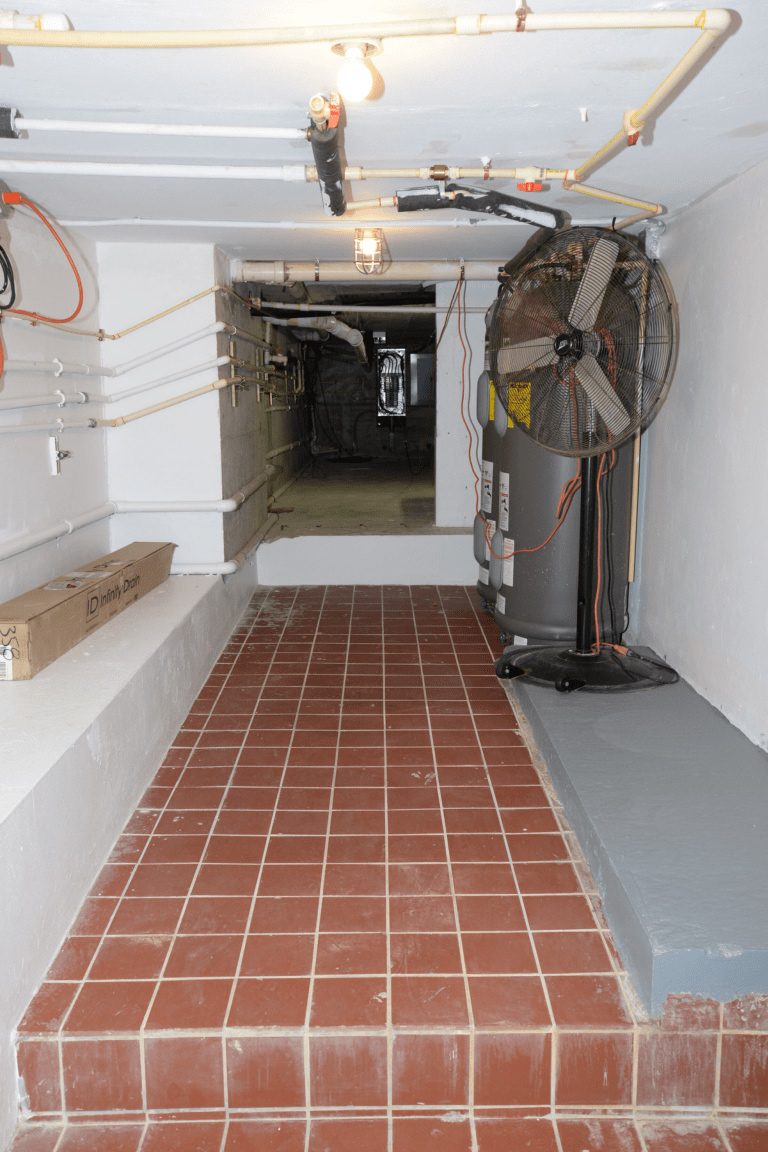
Direct answer: Pipes freeze where cold air reaches them: in crawl spaces, on outside walls, in garages and in any unheated building, according to Howard County, Maryland's Bureau of Utilities. When the water inside freezes, it expands and can split the pipe, and the leak that follows can flood a home. The fix is mostly preparation done before the cold arrives: insulate exposed pipes, shut off and drain outdoor lines, seal the drafts that let icy air in, and keep the house warm enough all winter. Every step below comes from county, city or state government guidance.
Which pipes are most at risk
The City of Bellevue, Washington, lists the same danger spots: pipes against exterior walls and pipes in unheated or uninsulated places such as attics, basements and garages. Pipes inside kitchen and bathroom cabinets on outside walls are a special case: they may be insulated and still freeze, because the cabinet doors shut the room's heat out. Outdoor faucets and the short runs of pipe feeding them are the first to go, since they sit fully exposed to the cold.
Before winter: insulate and seal
Wrap or insulate every exposed pipe that cold air can reach, and use heat tape on pipes that tend to freeze even when insulated. New York State's Division of Homeland Security and Emergency Services gives the same first step: protect water pipes from freezing by insulating exposed pipes, and caulk and weather-strip exterior doors and windows to keep cold air out of the house. Seal any air leaks that allow icy blasts to reach pipes, and for homes with crawl spaces, close the outside air vents in the foundation wall during extremely cold temperatures.
Shut down the outdoor lines
Turn off the inside valve that feeds each outdoor hose connection, then open the outside hose bib to drain the line, and leave it open. Disconnect and drain garden hoses, and drain in-ground irrigation systems. If water supply lines run through the garage, keep the garage doors closed so the space stays as warm as possible.
During a cold snap
Keep the thermostat at a constant temperature, never below 55°F, even at night. Open kitchen and bathroom cabinet doors so warmer room air can circulate around the plumbing on outside walls. When temperatures fall below 15°F, Howard County advises letting cold water run in a steady drip to help prevent freezing, and warns never to leave running water unattended. Bellevue's guidance agrees: in very cold weather, let the cold water drip from the faucet, and keep the thermostat the same day and night.
If you go away
Set the thermostat to at least 55°F, or, for a home left unheated for an extended time, shut off the main water valve and the water heater and open the indoor and outdoor faucets to drain the pipes. And before anything goes wrong, learn where your home's inside main water cutoff valve is and check that it works by hand: if a pipe does burst, that valve is what stops the flooding.
If a pipe freezes
A faucet that gives only a trickle is the warning sign that a pipe has frozen. Open the cold-water faucet nearest the frozen pipe to relieve pressure, then thaw the pipe with a gentle heat source such as a light bulb or a hair dryer. Howard County is explicit: do not use an open flame. If the pipe has already burst, shut off the main water valve at once and call a plumber; check warnings and winter guidance on our weather alerts page and our severe cold and winter storm safety guide for the wider winter plan.
Frequently asked questions
Why do frozen pipes burst?
Water expands as it freezes. When ice blocks a section of pipe, the expanding ice and the trapped water build pressure until the pipe splits — and when the ice thaws, water escapes through the split and floods the area.
Which pipes freeze first?
Pipes in crawl spaces, on outside walls, in garages and in any unheated building, plus outdoor faucets and their short feeder lines. Pipes inside cabinets on outside walls are also at risk, because closed cabinet doors shut out the room's heat.
What temperature should I keep the house in winter?
A constant temperature, never below 55°F, even at night and even when you are away. For a home left unheated for an extended time, shut off the main water valve and drain the pipes instead.
What do I do if a pipe freezes?
Open the cold-water faucet nearest the frozen pipe to relieve pressure, then thaw it gently with a hair dryer or a light bulb. Never use an open flame. If the pipe has burst, shut off the main water valve at once and call a plumber.
Sources
- Howard County, MD Bureau of Utilities - Water Pipes Cold Weather Best Practices
- New York State DHSES - Winterize Your Home
- City of Bellevue, WA - Utilities News 2025
About the author
WND Editorial Team — The World Natural Disasters editorial team curates disaster information from official scientific and humanitarian sources, reviews safety guidance against public-agency recommendations, and maintains the historical database.
Written and reviewed under our editorial policy. Factual claims cite the sources listed above.
Found an error? See our corrections policy.