Cold Stress at Work: Staying Safe on Outdoor Winter Jobs
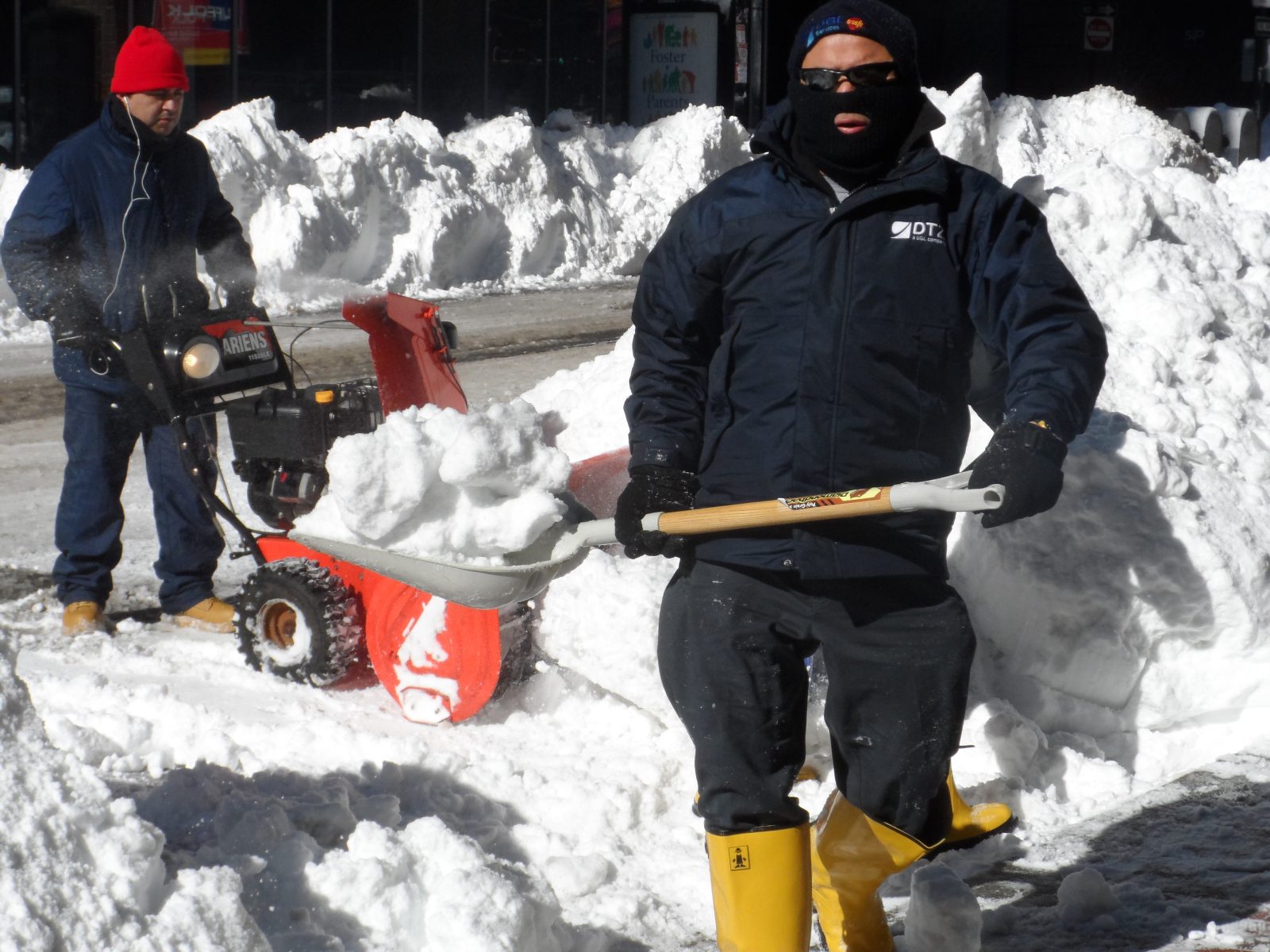
Direct answer: Cold stress is what happens when the body loses heat faster than it can make it, and it is a workplace hazard, not just a weather complaint. Workers who spend long hours outdoors in cold, wet, icy, or snowy conditions — snow cleanup crews, construction workers, sanitation workers, police officers, firefighters, and farmers among them — can develop hypothermia, frostbite, trench foot, or chilblains on the job. The protection is a system, not a single item: planning the work, dressing for it, taking warm breaks, and watching each other for the first symptoms.
Who is at risk, and when
Anyone who works in a cold environment may be at risk, and the risk is not limited to deep cold. The National Institute for Occupational Safety and Health notes that in regions unaccustomed to winter weather, near-freezing temperatures are enough to count as a cold-stress factor, and wind and wetness make it worse: wind strips heat from the body, and dampness, even from sweat, speeds heat loss. Workers face higher risk when they take certain medications, are in poor physical condition, or have illnesses such as diabetes, high blood pressure, or heart disease. New workers, and workers returning after time away from the cold, are at particular risk, and the Occupational Safety and Health Administration says they should be acclimatized gradually, with their workload increased slowly and more frequent breaks in warm areas while they build up tolerance. OSHA has no specific standard that covers working in cold environments, but under the Occupational Safety and Health Act employers have a duty to protect workers from recognized hazards, including cold stress, that are causing or likely to cause death or serious physical harm.
The four cold injuries
Cold stress causes four distinct injuries, and they need different responses. Hypothermia is the most dangerous: it occurs when body heat is lost faster than it can be replaced and the normal body temperature of 98.6 degrees Fahrenheit drops to less than 95 degrees. A temperature that low affects the brain, making it difficult to think clearly or move well, and it can eventually lead to death. Frostbite is an injury caused by freezing of the skin and underlying tissues, most often affecting the nose, ears, cheeks, chin, fingers, or toes; it can cause permanent damage and, in severe cases, lead to amputation. Trench foot is an injury of the feet after prolonged exposure to wet and cold conditions: the wet feet lose heat faster, circulation begins to shut down, and the skin tissue begins to die. It can occur at temperatures as high as 60 degrees Fahrenheit if the feet are constantly wet. Chilblains are caused by repeated exposure of skin to temperatures just above freezing to as high as 60 degrees Fahrenheit; the cold damages small blood vessels in the skin, the damage is permanent, and the redness and itching return with additional exposure.
What employers should do
Prevention starts before the shift. OSHA and NIOSH recommend scheduling maintenance and repair jobs in cold areas for warmer months, and scheduling cold jobs for the warmer part of the day. Employers should reduce the physical demands of long, demanding jobs by using relief workers or assigning extra workers, provide warm areas for use during break periods, and provide warm liquids — with no alcohol — to workers. They should limit the amount of time workers spend outside on extremely cold days, monitor workers who are at risk of cold stress, and provide cold-stress training covering symptoms, first aid, clothing, and how to monitor coworkers. Engineering controls help too: radiant heaters can warm outdoor workplaces such as security stations, and shielding work areas from drafts or wind reduces wind chill. Employers should also monitor the weather during a winter storm, have a reliable means of communicating with workers, and be able to stop work or evacuate when necessary.
What workers should do
When cold cannot be avoided, workers should dress for it and pace themselves. OSHA's guidance is specific: wear at least three layers of loose-fitting clothing, because layering provides better insulation. The inner layer should be wool, silk, or synthetic material that holds more body heat than cotton and keeps moisture away from the body; the middle layer should be wool or synthetic to provide insulation even when wet; and the outer layer should protect against wind and rain while allowing some ventilation to prevent overheating. Tight clothing reduces blood circulation, and warm blood needs to reach the extremities. Add a hat that covers the ears, a knit mask to cover the face and mouth if needed, insulated gloves, and insulated, waterproof boots. Stay dry, because moisture increases the rate of heat loss, and keep extra clothing handy in case you get wet and need to change. Carry extra socks, gloves, a hat, a jacket, blankets, a change of clothes, and a thermos of hot liquid, and include a thermometer and chemical hot packs in the first aid kit. Avoid touching cold metal surfaces with bare skin, drink warm sweetened fluids with no alcohol, and use the buddy system: monitor your own physical condition and that of your coworkers. If hypothermia is suspected, remove wet clothing, warm the person slowly, and obtain medical treatment immediately. Before the next cold shift, read the layering guide and the frostbite and hypothermia guide, and check the weather alerts page.
Frequently asked questions
What is cold stress?
Cold stress happens when the body loses heat faster than it can make it, driving down skin temperature and eventually core temperature. It can lead to hypothermia, frostbite, trench foot, and chilblains, and in severe cases to permanent tissue damage or death.
Who is most at risk of cold stress at work?
Anyone working in a cold environment, including snow cleanup crews, construction workers, sanitation workers, police officers, firefighters, and farmers. New workers and workers returning after time away from the cold are at particular risk and need gradual acclimatization.
What are the four cold injuries?
Hypothermia, when body temperature drops below 95 degrees Fahrenheit; frostbite, the freezing of skin and underlying tissue; trench foot, from prolonged wet and cold exposure of the feet; and chilblains, damage to small blood vessels from repeated exposure to temperatures just above freezing to 60 degrees.
What should employers do to prevent cold stress?
Schedule cold jobs for the warmer part of the day, use relief workers for long jobs, provide warm break areas and warm liquids, limit time outside on extremely cold days, monitor workers at risk, and train workers on symptoms, first aid, clothing, and how to monitor coworkers.
Sources
- OSHA - Winter Weather: Preparedness
- CDC NIOSH - Cold and Work: Types, Causes, Preparation
- CDC NIOSH Science Bulletin - Cold Stress
About the author
WND Editorial Team — The World Natural Disasters editorial team curates disaster information from official scientific and humanitarian sources, reviews safety guidance against public-agency recommendations, and maintains the historical database.
Written and reviewed under our editorial policy. Factual claims cite the sources listed above.
Found an error? See our corrections policy.