Hurricane / Cyclone / Typhoon Bangladesh
1970 Bhola Cyclone
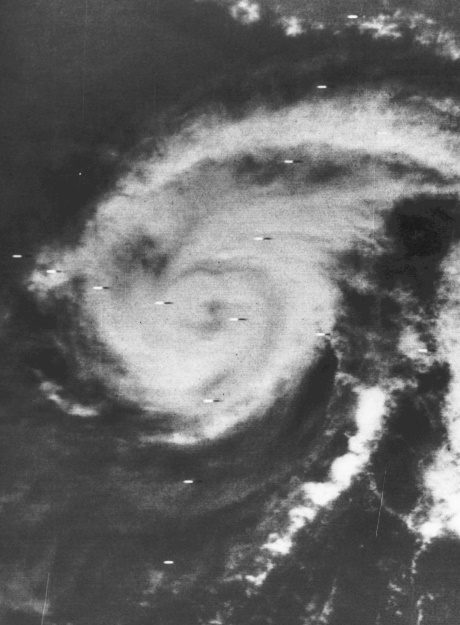
On the evening of 12 November 1970, a powerful cyclone made landfall on the coast of East Pakistan (now Bangladesh), near the time of the local high tide. The storm had grown from a depression that formed in the central Bay of Bengal on 8 November, partly from the remnants of Tropical Storm Nora. Based on ship reports, the India Meteorological Department estimated maximum sustained winds near 205 km/h (130 mph) as the storm came ashore. A storm surge of about 10.5 metres (35 feet) swept ahead of it across the low-lying barrier islands of the Ganges Delta, including Bhola, Hatiya and Sandwip.
The surge drowned the islands and tidal flats, and the flat shoreline let the water push far inland. Between 300,000 and 500,000 people died, according to NOAA and the World Meteorological Organization; EM-DAT records 300,000. With census records in the area described by NOAA as non-existent, the toll could only be roughly estimated. Pakistan's meteorological service had issued warnings, but few people moved to shelters: for many, there were no nearby shelters or no means of reaching them. The WMO's extremes archive declares Bhola the world's deadliest known tropical cyclone.
Damage was estimated at about US$86 million in 1970 dollars. The disaster exposed how exposed the densely populated, low-lying delta was to storm surge, and it became a lasting reference case for cyclone preparedness in the region.
Sources & references
Impact figures
| Fatalities | 300,000 |
|---|---|
| Economic damage | $86,000,000 (nominal) |
Figures per cited sources; estimates for older events vary.