Hurricane / Cyclone / Typhoon United States
The 1939 California Tropical Storm, 25 September 1939
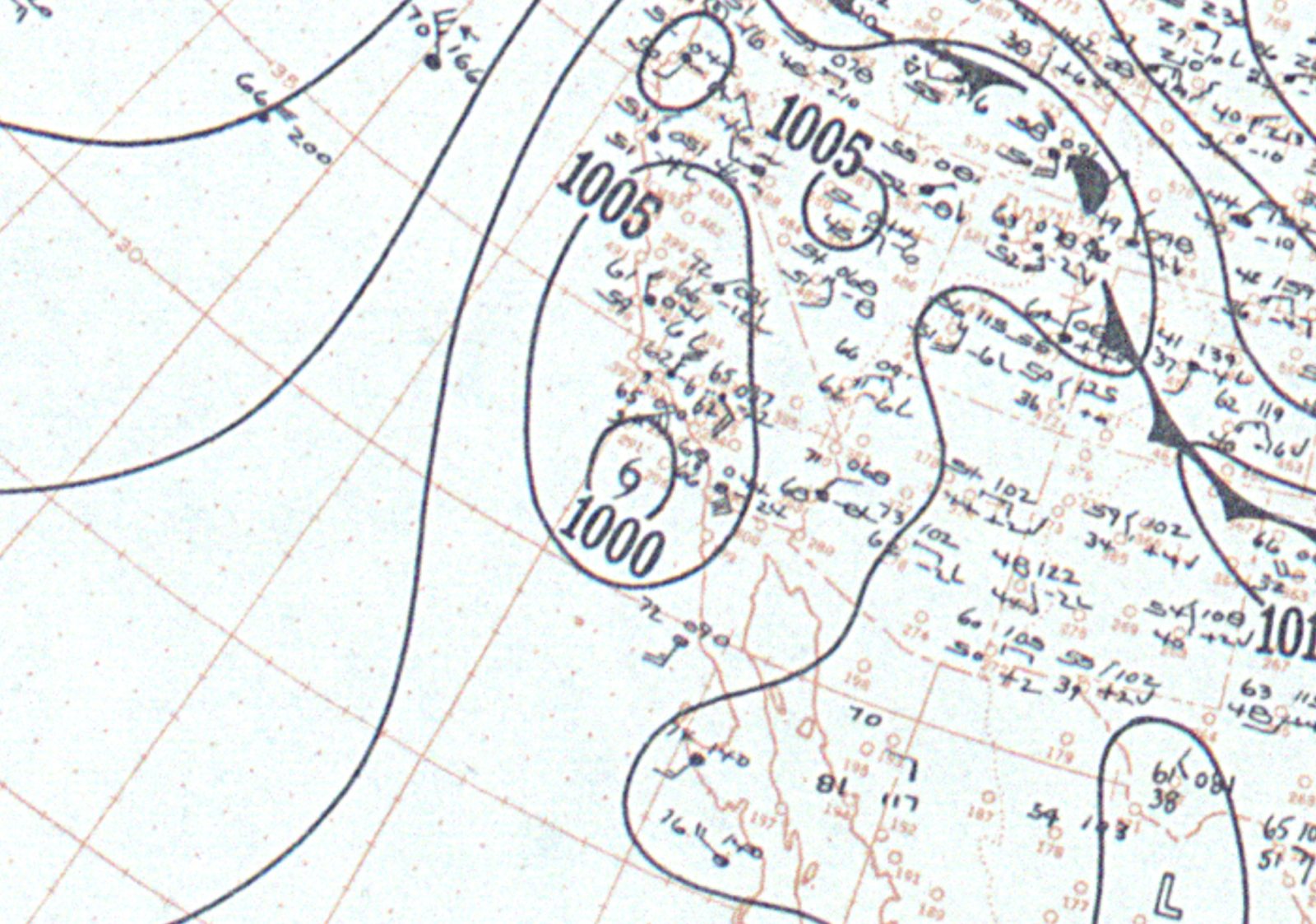
On 25 September 1939, a tropical storm came ashore near Long Beach and San Pedro, California — the only documented tropical system to make landfall in Southern California, and the only tropical storm to strike the California coast in the 20th century (NWS Los Angeles/Oxnard; NWS San Diego). It had lost hurricane status shortly before moving onshore, with sustained winds of 50 mph (NWS San Diego). The storm was a near-total surprise: Los Angeles had no government weather forecast office, and beachgoers and boaters — many returning from the Channel Islands — were caught off guard (NWS Los Angeles/Oxnard). Downtown Los Angeles received extraordinary rain: the NWS Los Angeles/Oxnard office records 5.24 inches in 24 hours, which it reported (in 2013) still stood as the daily record; the NWS San Diego history gives 5.42 inches in 24 hours and 11.60 inches on Mt. Wilson, calling it the greatest September rainfall ever. In Spanish the storm was known as “El Cordonazo de San Francisco” — the Lash of St. Francis (NOAA Technical Memorandum). The shock of the surprise storm had a lasting consequence: the Weather Bureau established a Southern California forecast office, which began operations in February 1940 (NWS San Diego; NWS Los Angeles/Oxnard).
Sources & references
- NWS San Diego - A History of Significant Weather Events in Southern California
- NOAA Tech Memo NWS NHC-6 - Deadliest US Tropical Cyclones 1851-2010 (Blake & Landsea 2011)
- NOAA Tech Memo NWS WR - Tropical Cyclone Effects on California (Court 1980)
- NHC - HURDAT2 Northeast/North Central Pacific format documentation
Impact figures
| Fatalities | 93 |
|---|---|
| Economic damage | $2,000,000 (nominal) |
Figures per cited sources; estimates for older events vary.